
Does “Members Only” Membership Extend Beyond Gen X?
By: Tom Adams
If you grew up in the 1980s like me, you certainly remember the Members Only racer jacket. I was not cool enough for membership, but I knew the jacket. The jacket was part of an OG “influencer” campaign, being modeled by the likes of Burt Reynolds, Eddie Murphy, and Frank Sinatra.
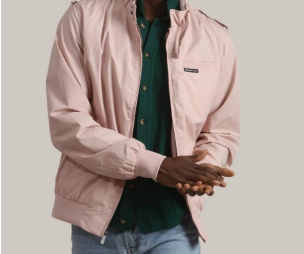 Various retro revivals have led to the piece being sported more recently by the likes of Drake and Mariah Carey. It has also been featured prominently on period television shows like The Sopranos and Stranger Things. The Members Only brand website indicates that its products are “Minimal. Functional. Timeless.”
The Eastern District Court of New York is not convinced of the timeless nature. The owners of the brand sued Group Dynamite, Inc. (GDI) for trademark infringement, unfair competition, and dilution – providing the adjacent images in its complaint. GDI was using the phrase “members only” as a part of a sweatshirt design.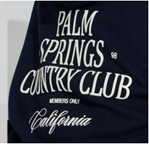
GDI moved to dismiss the claims and the court denied dismissal of the infringement and unfair competition claims – but dismissed the federal dilution claim (and retained a New York state dilution claim).
Trademark pleadings and cease and desist letters often allege that a trademark is famous. This is not simply a rhetorical flourish, but an effort to establish the prerequisite of “fame” necessary to make a federal trademark dilution claim. Federal law indicates a mark is famous if “it is widely recognized by the general consuming public of the United States as a designation of source of the goods or services of the mark’s owner.” This standard has often been construed by courts as requiring that the mark have achieved the status of “household names” and not simply “niche fame” amongst a specific group of consumers.
Here, the court noted that Plaintiffs offered insufficient rebuttal evidence against the defendant’s arguments that the trademark at issue was not famous, having provided only “conclusory” showings of advertising and sales figures together with examples of celebrities wearing the clothing and associated media coverage. The court also picked up on Defendant’s argument that the Plaintiff’s statements that it intended to “revitalize” the brand demonstrate that it cannot be famous at present. Apparently, the plaintiffs did not elect to submit, as is sometimes provided, survey evidence and expert testimony to demonstrate fame and dilution. Survey work is expensive, particularly at the motion to dismiss stage, but can be critical in supporting a dilution claim. Practitioners often reflexively include dilution claims along with trademark infringement or other unfair competition claims. Given the high standard for proving dilution, parties should carefully consider their odds of success, balancing the additional benefits of including the claim against the potential loss of litigation “momentum” in the event of a defeat on the claim.
A separate and interesting issue in this case is whether GDI’s use of the term “members only” is a fair use of the term in a descriptive manner or in a manner other than as a trademark. The court expressed doubts at the motion to dismiss stage, noting, in part, the “understated” ethos of the Members Only brand might be consistent with the smaller presentation of the phrase on the GDI sweatshirt. Trademark determinations are always dependent on evolving perceptions of a brand in the marketplace. This case highlights how parties creating an effective trademark dispute strategy must assess and forecast how multi-generational courts, triers of fact, and the consuming public will each regard a brand.
The case is: JR Apparel World LLC v Groupe Dynamite, Inc. EDNY 2-25-cv-04374
