
Buc-ee’s, Beaver’s, Names, Logos and Speculation on the Strategy Behind the Ohio Mini-Mart Lawsuit
Buc-ee’s has a way of getting people talking. In Ohio, that was especially true last week after the public noticed the latest Buc-ee’s trademark enforcement matter: a lawsuit by the Texas-based travel-center chain against a mini-mart in Beavercreek.
Much of the media attention has focused on the competing logos: Buc-ee’s familiar beaver mascot on one side, and the logo used by Hanes Road Carryout operating as Beaver’s Mini Mart in Beavercreek, Ohio, on the other.
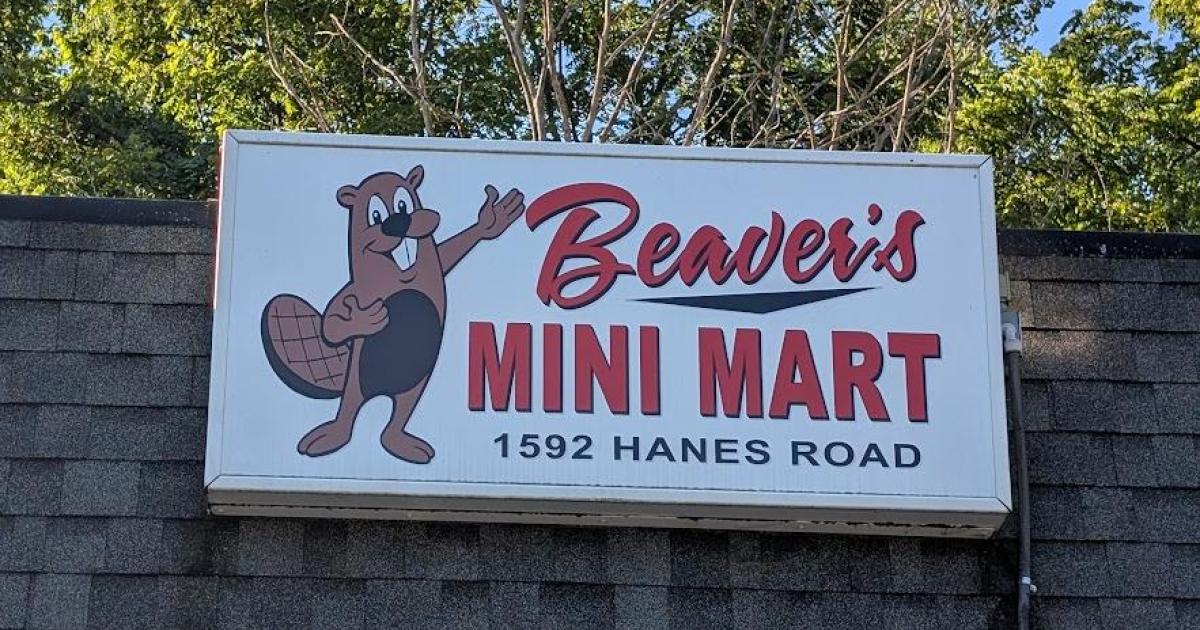
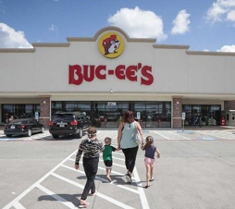
Images from complaint in Buc-ee’s, Ltd. v. Hanes Road Carryout, Inc., No. 3:26-cv-00272.
Of course, the Buc-ee’s logo and mascot is a beaver, although some detractors insist it looks more like a chipmunk. The bronze statues in front of the locations do have large, flat tails...
What the public seems largely to have missed is that the complaint alleges infringement of a group of marks Buc-ee’s defines as the “Buc-ee’s Marks” including not only its logo marks, but also the word mark BEAVER’S.
That matters because this may not be only a case about whether two cartoon animals look too much alike. Buc-ee’s is also pointing to a separate claimed right in the word BEAVER’S itself, which could make the name of the Ohio store just as important as the artwork.
The first trademark registration cited in the complaint, 6,059,078, is for the word mark BEAVER’S covering retail store services featuring convenience store items and gasoline. Buc-ee’s claims a first-use date of December 17, 2019 for BEAVER’S in connection with the covered retail-store services. The registration reflects an application filing date of April 5, 2017, which can provide a constructive-use priority date for the registered services, subject of course to the usual limits of the registration and any facts that might be developed in the case. The Trademark Office accepted a declaration of incontestability on January 26 of this year.
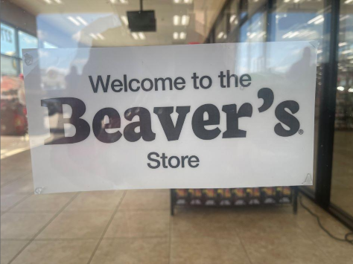
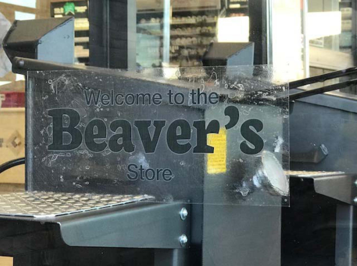
Of course, in the U.S. a trademark owner must demonstrate that it uses a trademark in connection with the goods or services claimed in its application or registration. Buc-ee’s has filed two specimens with the Trademark Office—that is, examples showing how it says the mark is actually used in the marketplace.
The most recent specimen of use looks like this:
A prior specimen filed in 2020 looked like this:
It is always precarious to speculate about a party’s enforcement strategy from the outside. But the BEAVER’S registration does suggest one possible explanation for why Buc-ee’s may view this dispute as more than a simple logo case.
Buc-ee’s stores are called just that—BUC-EE’S. The logo and mascot is a beaver. It is possible someone advising the company realized that vulnerability of encroachment on the company’s scope of exclusivity might exist if another convenience-store operator adopted a mark built around the word “beaver”, what trademark lawyers might call a BEAVER-formative mark. Would a hypothetical BEAVER FEVER convenience store be confusingly similar to BUC-EE’S when Buc-ee’s also uses a beaver logo? For Buc-ee’s to rely comfortably on a registration for BEAVER’S and not just a penumbra or rights from the beaver logo, it needs bona fide use of that mark in commerce. That use also cannot merely be a token use designed to reserve rights. (The Trademark Law Revision Act of 1988 codified that use in commerce must be in the ordinary course of trade and not merely to reserve rights in a trademark.)
It can be difficult, however, to use two brands for the same thing at once. Consumers might have trouble understanding that a store is called both BUC-EE’S and BEAVER’S. Two names make managing real-world brand equity more difficult. In addition to the retail-store-services registration discussed above, Buc-ee’s did find a way to use BEAVER’S in connection with fuel branding as shown in the specimen for a separate registration covering motor fuels.
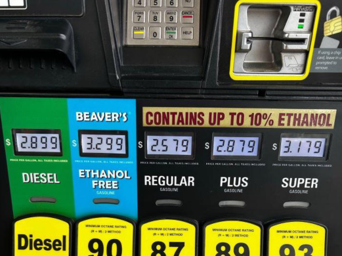
That problem is not unique to Buc-ee’s. Trademark owners often face some version of this situation when business strategy and trademark-preservation strategy do not line up neatly. This need to use “two brands at once” often arises after a brand acquisition or simply as companies work to trim and consolidate brand portfolios. The business wants to reduce the number of brand offerings but does not want to abandon trademark rights. BP found ways to use both BP and AMOCO branding after BP’s acquisition of the latter. Other companies sometimes preserve legacy or heritage marks as Macy’s did with Marshall Fields. Still others use licensing strategies or migrate a former primary brand to serve as an ingredient, technology, or sub-line name.
The strategy for the BEAVER’S registrations and “Welcome to the Beaver’s Store” starts to make some sense. If Buc-ee’s intends to maintain rights in BEAVER’S for convenience stores, it is hard to justify allowing an unrelated convenience store to operate as “Beaver’s Mini Mart.” Buc-ee’s seems to be attempting to bundle up its rights in the beaver logo and the BEAVER’S name to represent what it presumably views as its combined brand equity and assert that against a combined “beaver” name and logo usage by the Beavercreek mini-mart.
That does not mean Buc-ee’s necessarily wins. If the matter progresses, the interesting questions may include the parties’ respective priority dates for BEAVER-formative marks, the real-world strength of Buc-ee’s BEAVER’S use, and whether consumers would understand the Ohio store’s name and logo as somehow being connected to the Texas company.
